London has long been a centre for the arts, and with that comes a strong tradition of professional art printing services for painters, photographers, illustrators and printmakers. Whether you are producing your first limited edition, preparing photographs for a gallery show, or simply want a favourite image printed properly, finding the right art printing studio in London is one of the most important decisions you will make for your work.
The city offers everything from high street photo shops to specialist fine art studios, and the quality gap between them is significant. This guide explains what art printing involves, what separates a good studio from an average one, which papers and processes to choose, and how to get the best possible results from your artwork.
What is art printing?
Art printing covers the processes used to reproduce paintings, photographs, illustrations and digital artwork to a professional standard for framing, exhibition or sale. At the top of the market this means giclée printing: a fine art inkjet process that uses archival pigment inks on museum grade paper or canvas to produce prints with exceptional colour accuracy, tonal depth and longevity. A well made giclée print is rated for 100+ years of fade resistance under normal display conditions.
That sets it apart from standard photo or poster printing, which typically uses dye based inks and less stable paper. Those prints are fine for everyday use, but they lack the archival quality and colour range that artists, photographers and collectors expect. Read our full guide to what giclée printing is.
Why a specialist studio beats a high street print shop
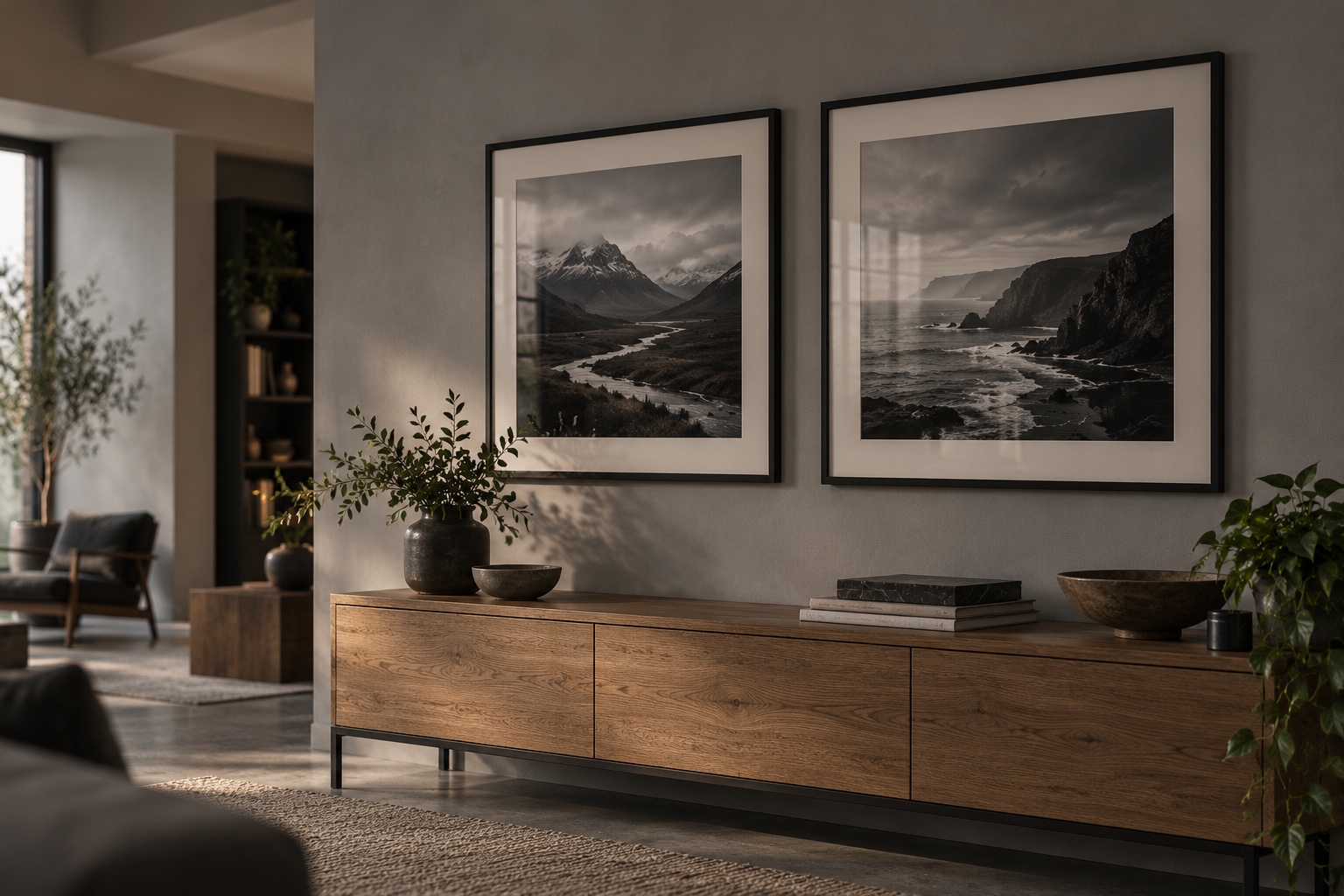
Many artists start by printing at home or at a high street shop. That is fine for test prints, but for work destined for galleries, exhibitions or sale, the difference from a professional art printing service is significant:
- Colour accuracy: professional studios calibrate and profile every printer and paper, so the print matches your original as closely as possible.
- Paper and canvas range: a genuine choice of archival fine art media, from Hahnemühle cotton papers to professional canvas.
- Print size: wide format printers reproduce work at sizes impossible on desktop equipment.
- Consistency: every print in an edition matches, which is essential for limited edition sales.
- Advice: an experienced studio guides you on file preparation, paper choice and finishing.
High street printers and online poster services usually run CMYK laser or offset printing on standard stock. That is quick and cheap for brochures, but prints can look flat, colours can shift from the original and blacks can lack depth. A genuine fine art studio uses professional printers such as the Canon imagePROGRAF Pro series, with archival pigment ink sets of up to twelve colours. Our article on giclée vs standard inkjet printing explains the difference in detail.
What to look for in an art printing service
Archival inks and paper. Look for pigment based inks on acid free, archival rated paper or canvas. This is the difference between a print that lasts generations and one that fades within a few years.
Colour accuracy and proofing. A studio that offers a test print before a full run takes colour seriously. This matters most when reproducing original paintings.
Paper and material range. The best studios offer smooth cotton rag, textured etching papers, baryta and canvas, so the finish suits the artwork.
Experience with your type of work. Photography, painting reproduction and limited editions each have their own demands, so choose a studio that knows your field.
Types of art printing services in London
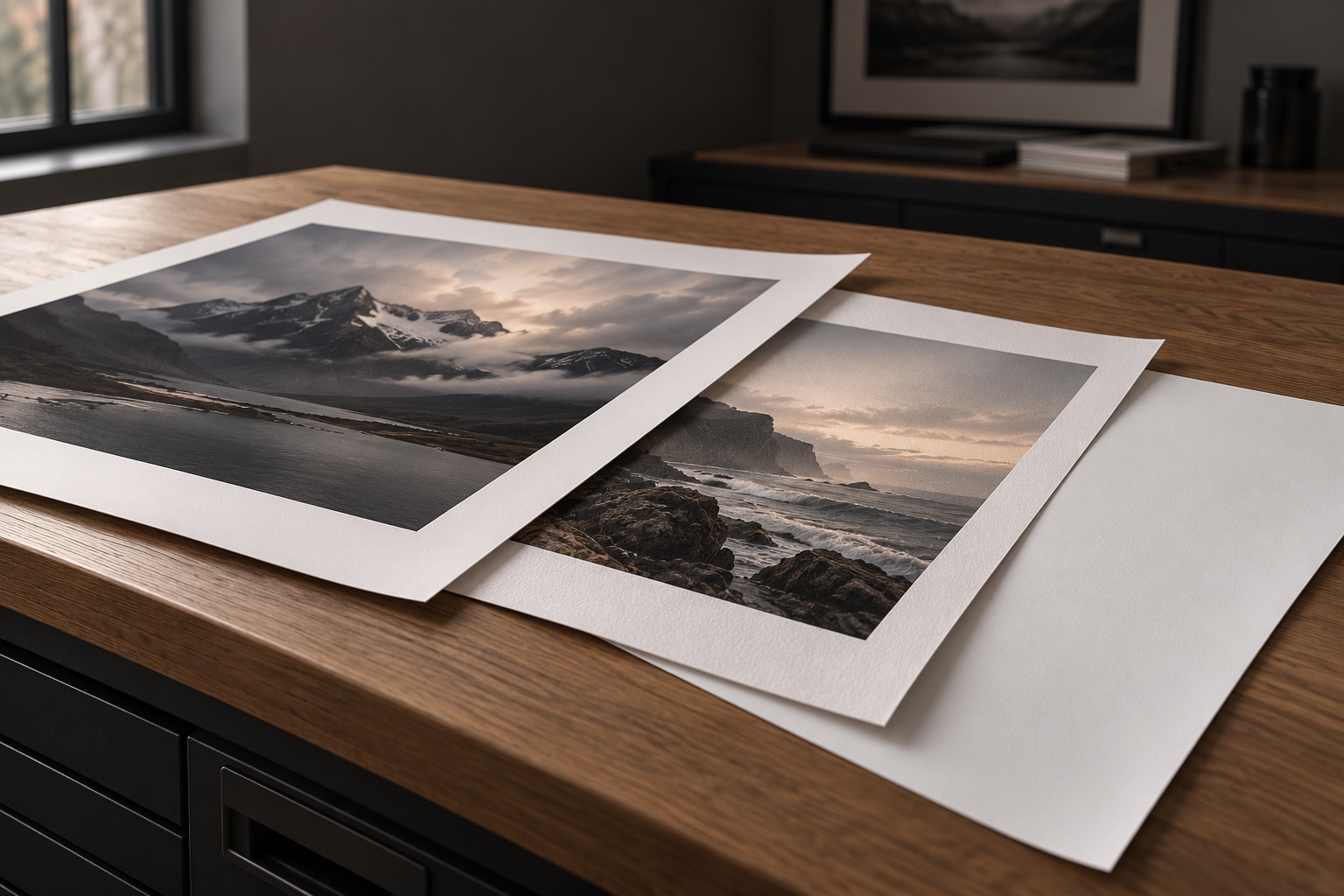
- Fine art reproductions of paintings, drawings and watercolours. See our fine art printing services.
- Photographic prints for exhibition, portfolio and sale. See fine art photography printing.
- Illustration prints with crisp line work and vivid colour. See printing for illustrators.
- Limited edition runs, a fixed number of signed and numbered prints.
- Canvas printing for oil and acrylic reproductions.
- Mounted and framed prints through our print and mount and framed prints options.
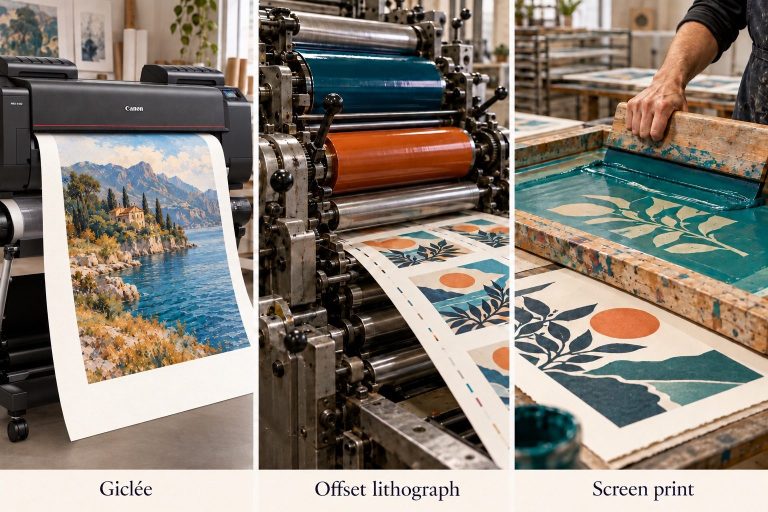
Art printing is different from printmaking processes such as screen printing and lithography. Our guide to giclée vs lithograph vs screen print explains how they compare.
Choosing paper for your art prints
Paper is one of the biggest decisions in fine art printing. The right choice depends on your original artwork and how the print will be displayed or sold:
- Smooth cotton rag papers: the most versatile choice for photography and detailed artwork, with a natural matt surface that reads as a fine art print.
- Textured etching papers: for reproductions of paintings, watercolours and drawings, where the texture adds authenticity.
- Baryta papers: for photographers who want the depth and sheen of a traditional darkroom print.
- Fine art canvas: for oil and acrylic painting reproductions.
Compare every option, with prices, in our guide to the best paper for giclée printing.
Preparing your files for art printing
- Work in an RGB colour space such as Adobe RGB, which captures more of what a giclée printer can reproduce.
- Aim for 300 PPI at the final print size for the crispest detail. 150 PPI is the practical minimum, and large prints viewed from a distance can work at lower resolutions.
- Save TIFF files for maximum quality, or a high quality JPEG. We accept JPEG, PNG, TIFF and HEIC up to 50MB.
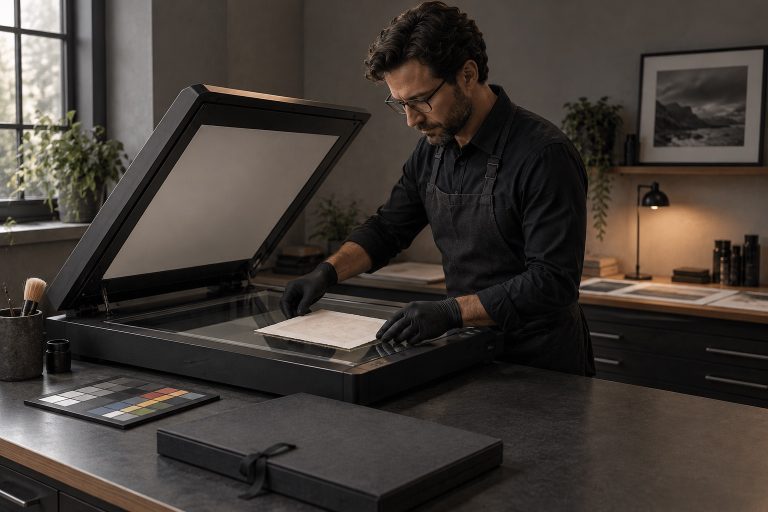
- If you only have the original, have it scanned or photographed properly first.
Read our guides on preparing artwork files for giclée printing and how to scan artwork for printing.
Limited edition prints and certification
Many artists sell limited editions: a fixed number of prints from a single image, each signed and numbered in pencil. Limited editions carry greater collector value than open editions and are the standard for gallery level work, often accompanied by a certificate of authenticity. Our limited edition giclée prints guide covers edition sizes, signing, numbering and pricing.
What affects the cost of art printing in London?
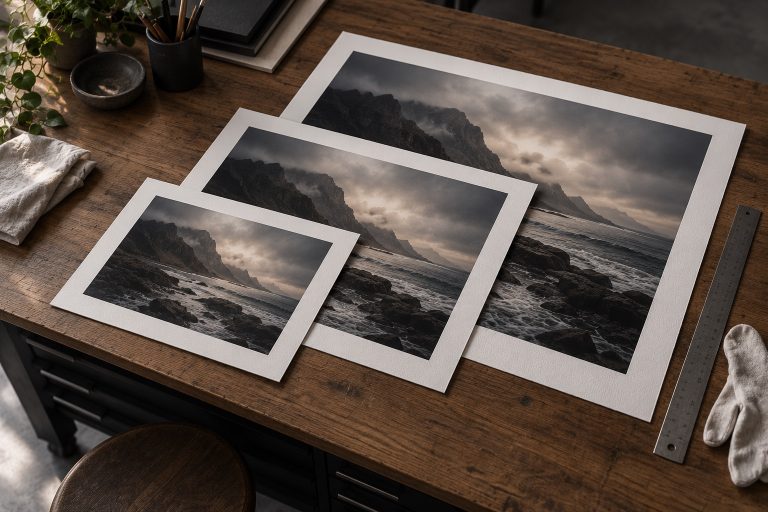
Print size has the biggest effect, because larger formats use more ink, paper and printer time. Paper choice matters too, as premium cotton rag and heavy etching papers cost more than house papers. Ordering several prints brings the price per print down, and extras such as mounting, framing and scanning add to the total.
At Giclée London prints start from £4.99 for A5 including VAT, an A4 fine art print costs from £6.99, and standard UK mainland delivery is £6.95, free on orders over £75. See every paper and size in our giclée printing price guide.
How to choose the right studio for your project
Look at examples of a studio’s work, ideally in person, since screen colours can mislead. Ask about paper and ink options and whether they offer a proof before a full run. If you are reproducing an original painting, check they have experience colour matching physical artwork. Finally, consider turnaround and whether collection, delivery or postal options suit you. A good studio will be upfront about pricing and will recommend the paper that suits your image, not simply the most expensive one.
Art printing services across London and the UK
Giclée London has provided professional art printing services to artists, photographers and galleries since 2002. Every print is made with archival pigment inks on premium fine art papers and canvas, and checked by hand before it leaves the studio. Clients range from working artists and photographers to interior designers and corporate art buyers.
See our dedicated giclée printing London service, or find your local area, from Ealing and Richmond to Marlow, Reading and Guildford, on our areas we cover page.
Frequently asked questions
How long does professional art printing take?
Most specialist studios turn around a single print or small run within a few days. At Giclée London standard orders are completed within 3 to 5 working days, and UK mainland delivery normally takes 1 to 3 working days after dispatch.
Can I order a single print or do I need a full edition run?
You can order a single print. Giclée London has no minimum order, which makes it easy to test a paper before committing to a full limited edition run.
Will the print match the colours on my screen exactly?
A studio using proper colour management and calibrated equipment will get very close, but screens and prints are different mediums. For colour critical work such as reproductions of paintings, a proof print before a full run is worth requesting.
How much does art printing cost in London?
Prices depend on size and paper. At Giclée London prints start from £4.99 for A5 including VAT, an A4 fine art print costs from £6.99, and volume discounts apply automatically when you order several prints. See our giclée printing price guide.
What is the difference between art printing and giclée printing?
Art printing is the broad term for reproducing artwork and photography to a professional standard. Giclée printing is the highest quality form of it, using archival pigment inks on acid free fine art paper or canvas, rated for 100+ years of fade resistance.
Getting started
Ready to print? Upload your artwork to our online print designer, choose your paper and size, and see your price instantly. The how to order page walks you through each step, and you can read what clients say on our testimonials page and our quality guarantee. Questions about a project? Call us on 01182 076591 or get in touch.
Made for your artwork
Bring your artwork to paper
Choose your paper, set your size and see your price in our online print designer. For advice on your project, talk to our studio.