
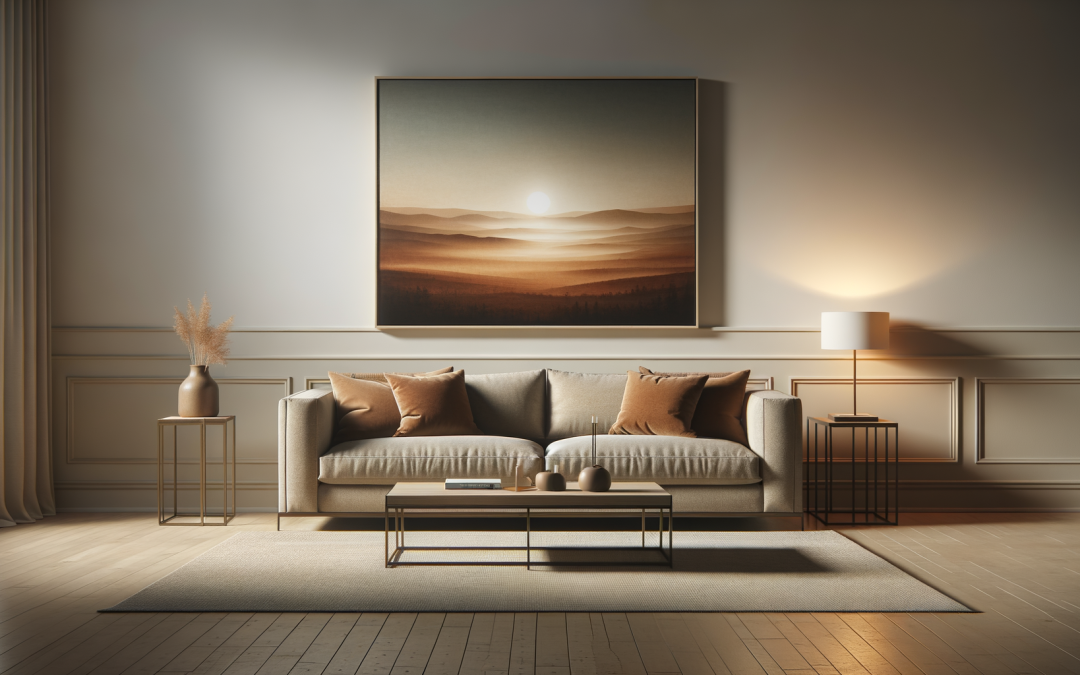
A giclee print produced on archival materials with professional pigment inks is capable of lasting well over a century. Whether that potential is realised depends almost entirely on how the print is displayed, framed, and stored after it leaves the studio. Archival quality is a property of the print itself, but longevity in practice is determined by the environment you place it in. This guide covers exactly how to frame, hang, light, and look after giclee prints so they remain in perfect condition for generations.
Framing: The Most Important Step
Framing is the single most consequential decision you make after ordering a giclee print. The combination of glazing, mount board, and backing material can either protect your print for over a hundred years or slowly damage it within a decade.
Glazing: UV Glass Is Non-Negotiable
Standard clear glass transmits the full ultraviolet spectrum, which is the primary cause of fading in all prints regardless of ink type. UV-filtering glass or acrylic blocks 70 to 99% of UV radiation, dramatically extending display life. Options in ascending order of quality and cost:
- UV acrylic (e.g., Tru Vue Conservation Clear) — Lightweight and shatter-resistant. 99% UV filtering. The best choice for large pieces and shipping.
- UV conservation glass — Harder surface than acrylic, no static charge to attract dust. 97%+ UV filtering. Preferred for framed pieces handled frequently.
- Museum glass / anti-reflection glass — Near-invisible with 99% UV filtering and an anti-reflection coating. The premium option; noticeable difference in viewing clarity.
Do not allow standard float glass to be specified by a framer as “close enough.” Demand UV glass. The cost difference is small relative to the value of the print.
Mount Board: Acid-Free Only
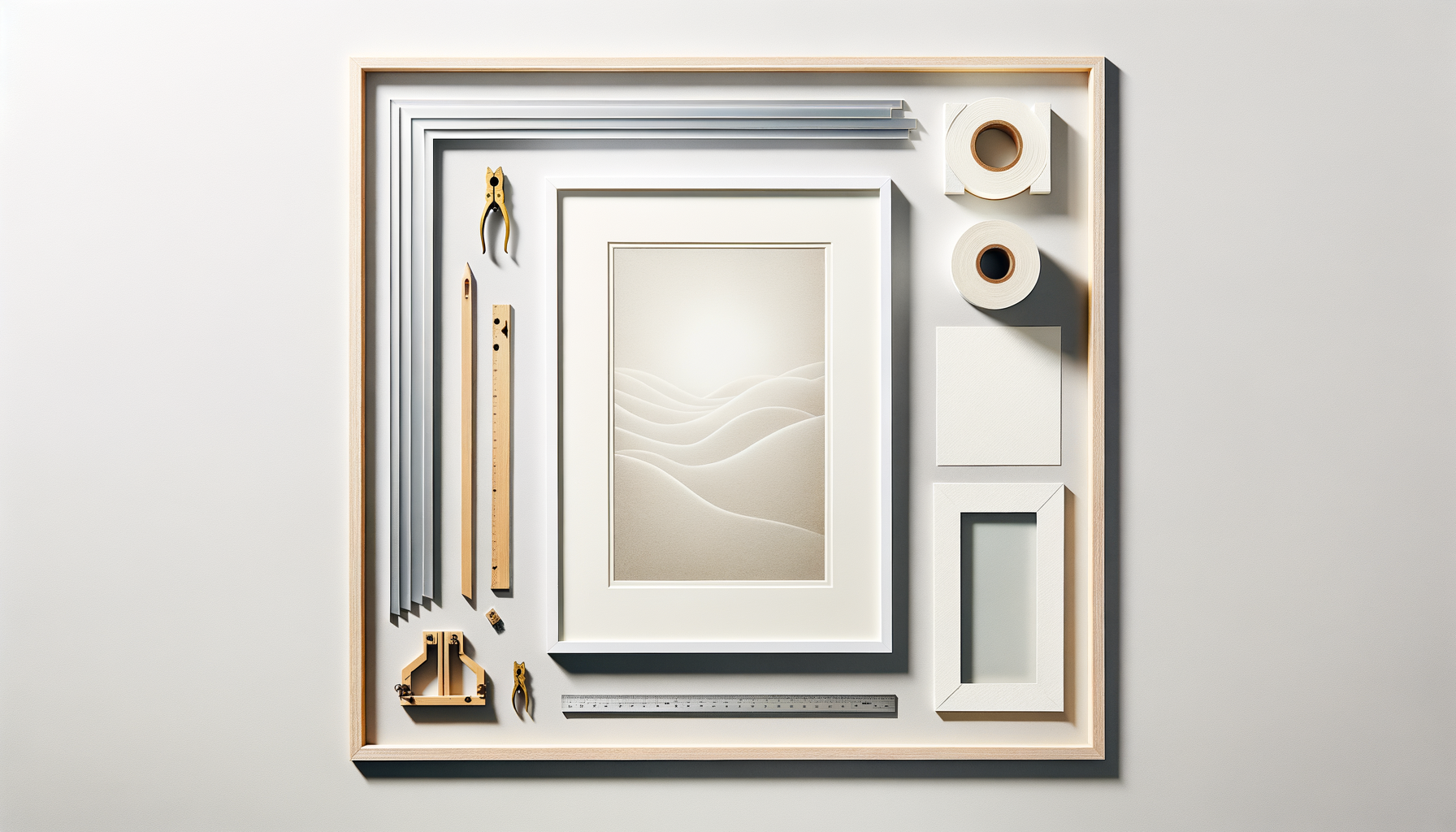
Standard cardboard mount board contains acids that migrate into paper and cause yellowing over time — a process called acid burn or foxing. Always specify acid-free (pH neutral) or alkaline-buffered conservation mount board. Museum-grade cotton rag mount board is the gold standard and is the material used by conservation-standard framers worldwide.
The mount serves two additional purposes: it creates an air gap between the glass and the print surface (moisture can condense on the inside of glass and damage ink), and it provides a visual border that separates the print from the frame, allowing it to be viewed without distraction.
Backing Board
The backing board should also be acid-free. Foamcore or Coroplast are both acceptable for the backing layer provided they are faced with an acid-neutral surface. Seal the back of the frame package with backing tape or dust seal to exclude insects, dust, and airborne pollutants — a frequent but overlooked cause of gradual deterioration.
Where and How to Hang Giclee Prints
Light Exposure
Light — both natural and artificial — is the primary environmental threat to print longevity. The key principle is simple: less light exposure means a longer-lasting print. This does not mean prints must be kept in darkness, but placement matters.
- Avoid direct sunlight entirely. Even with UV glass, prolonged direct sunlight will cause fading faster than any other environmental factor. A south-facing wall that receives direct sun for several hours a day is the worst possible location.
- Indirect natural light is fine. A wall lit by diffused daylight from a window across the room is a perfectly acceptable display environment with UV-filtering glazing in place.
- Artificial lighting: prefer LED. Modern LED lighting produces minimal UV and low heat. Halogen spotlights generate significant infrared heat and more UV than LEDs. Fluorescent tubes emit UV in quantities sufficient to cause fading over time without UV filtering in place.
- Use beam angle carefully. A tight-beam accent light directed at the print surface from a short distance may generate sufficient localised heat to affect ink and paper. Position lights at a longer throw distance and a shallower angle to the wall.
Temperature
Stable temperature is more important than a specific temperature. Rapid fluctuations cause paper to expand and contract, which over time loosens the ink layer and can cause cockling (warping) of the paper. Heated rooms in domestic environments are generally fine providing the temperature does not swing dramatically between day and night. Avoid hanging prints:
- Directly above radiators or heat sources
- In rooms with large temperature swings (conservatories, garages)
- Adjacent to exterior walls in uninsulated buildings where condensation may form
Humidity
High relative humidity encourages mould growth and can cause paper to cockle and swell. Low humidity causes brittleness. The ideal range for archival display is 35% to 55% relative humidity. In domestic UK environments this is broadly achievable without specialist climate control. Avoid displaying prints in:
- Bathrooms or any room with regular high moisture
- Kitchens near cooking areas
- Basements with poor ventilation
- Anywhere visible condensation forms on windows
Display Checklist
Before hanging your print, run through this checklist:
Framing
- UV-filtering glass or acrylic in place
- Acid-free conservation mount board
- Acid-free backing board
- Back of frame sealed with dust tape
- Air gap between glass and print surface
Location
- No direct sunlight on the print surface
- Away from heat sources (radiators, vents)
- Not in a high-humidity room
- Stable temperature environment
- LED lighting preferred over halogen
Cleaning and Ongoing Maintenance
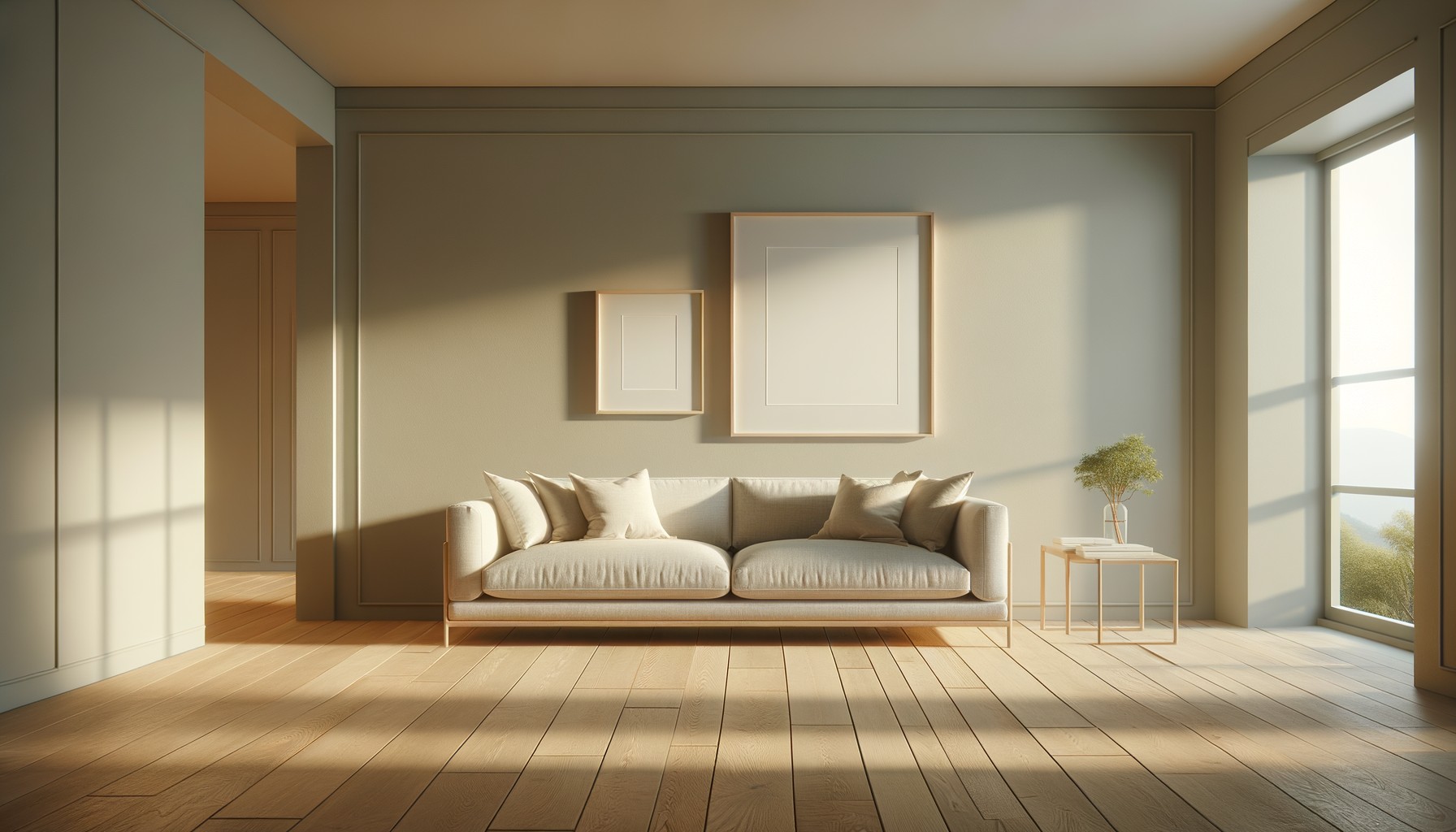
Framed giclee prints require very little maintenance, which is one of their advantages over other display media.
Cleaning the Frame and Glass
Clean the glass surface with a dry microfibre cloth or a slightly damp cloth — never spray cleaning products directly onto the glass of a framed print, as liquid can seep under the rebate and reach the print surface. For acrylic glazing, use only products specified as safe for acrylic, as abrasive cloths or standard glass cleaners will scratch the surface permanently.
Do Not Touch the Print Surface
Skin oils from fingerprints are acidic and will cause permanent marks on fine art paper and ink layers. If you need to handle an unframed print, hold it by the edges or use clean cotton gloves. Never attempt to clean the print surface itself with any cloth, liquid, or eraser.
Storing Unframed Giclee Prints
If you need to store prints before framing, or are keeping stock of a print edition, correct storage is essential to maintaining quality.
Storage best practice:
- Flat storage — Always store prints flat, never rolled if the paper was delivered flat. Rolling can crack the ink layer on heavier substrates.
- Interleave with acid-free tissue — Place a sheet of acid-free glassine or archival tissue between each print to prevent surface-to-surface contact and ink transfer.
- Archival portfolio box or flat file — Store in a rigid acid-free clamshell box or a metal flat-file drawer lined with acid-free card. Avoid cardboard boxes that are not pH-neutral.
- Never use plastic wallets — Most plastic sleeves contain plasticisers that off-gas and interact with ink layers. Use only polypropylene or polyester (Mylar) sleeves if a sleeve is required.
- Environment — Store in a cool, dry, and dark location. A temperature of 15 to 20°C and relative humidity of 35 to 50% is ideal. An interior wardrobe or drawer in a living space is usually adequate.
Insurance and Documentation
If you are displaying a print of significant value — whether a limited edition original or a high-value reproduction — it is worth reviewing your home contents or business insurance policy. Most standard home contents policies cover artworks up to a certain limit, with individual high-value pieces requiring a separate scheduled item.
Keep the following documentation in a safe location separate from the print itself:
- Your original invoice or order confirmation from the printer
- Certificate of Authenticity (for limited editions)
- A high-resolution photograph of the print, showing any signatures or edition numbers
- Any provenance documents if the print was purchased on the secondary market
For particularly valuable pieces, a professional Art Valuer can provide a current market valuation certificate, which is the preferred document for insurance purposes.
Order Archival Giclee Prints from Giclée London
Every print we produce uses archival pigment inks on acid-free fine art papers rated for 100 years or more under standard display conditions. Our online designer makes it easy to upload your artwork, choose your paper and size, and see live pricing instantly.
Frequently Asked Questions
Can I display a giclee print without glass?
Giclee prints on canvas are routinely displayed without glazing, as the canvas substrate is more robust and the surface texture is part of the aesthetic. Giclee prints on fine art paper should always be glazed to protect the surface from dust, handling, and moisture. Without glazing, fine art paper prints are highly vulnerable to surface damage and accelerated fading.
How often should I check framed prints?
Once a year is a reasonable inspection interval for valuable prints. Check for any visible moisture behind the glass, yellowing of the mount board, and any signs of insect activity around the back of the frame. If you notice any deterioration, take the print to a professional framer or conservator promptly.
My giclee print has been damaged — can it be restored?
Minor surface contamination can sometimes be addressed by a paper conservator. Water damage, physical tears, and significant fading are much harder to reverse. For limited edition prints, a replacement from the edition may be possible if remaining copies exist. Contact your original printer first to discuss options before attempting any DIY repair.
How long will a giclee print last if displayed correctly?
Wilhelm Imaging Research rates top-tier pigment ink prints on cotton rag papers at 100 to 200 years under standard indoor display conditions (450 lux, 12 hours per day). With UV-filtering glazing and positioning away from direct sunlight, real-world longevity is expected to significantly exceed these figures. For practical purposes, a correctly framed and displayed giclee print should be considered a multi-generational object.
Is there a difference between displaying prints on paper and prints on canvas?
Canvas prints on stretcher bars are self-supporting and can be displayed without glazing or framing. They are generally less sensitive to humidity than paper prints as the canvas substrate is more dimensionally stable. However, the same light and temperature rules apply. For long-term preservation, canvas prints benefit from a protective varnish coat applied after printing, which provides an additional barrier against dust and abrasion. Ask your printer whether this is included as standard or available as an option.