
Giclée printing has become the gold standard for fine art print reproduction. Whether you are an artist selling limited edition prints, a photographer producing exhibition-quality work, or a collector seeking museum-grade reproductions, giclée is almost certainly the process you should be using.
This guide explains what giclée printing is, how it differs from other print processes, what to look for in a giclée printing service, and how to get the best possible results from your artwork.
What is Giclée Printing?
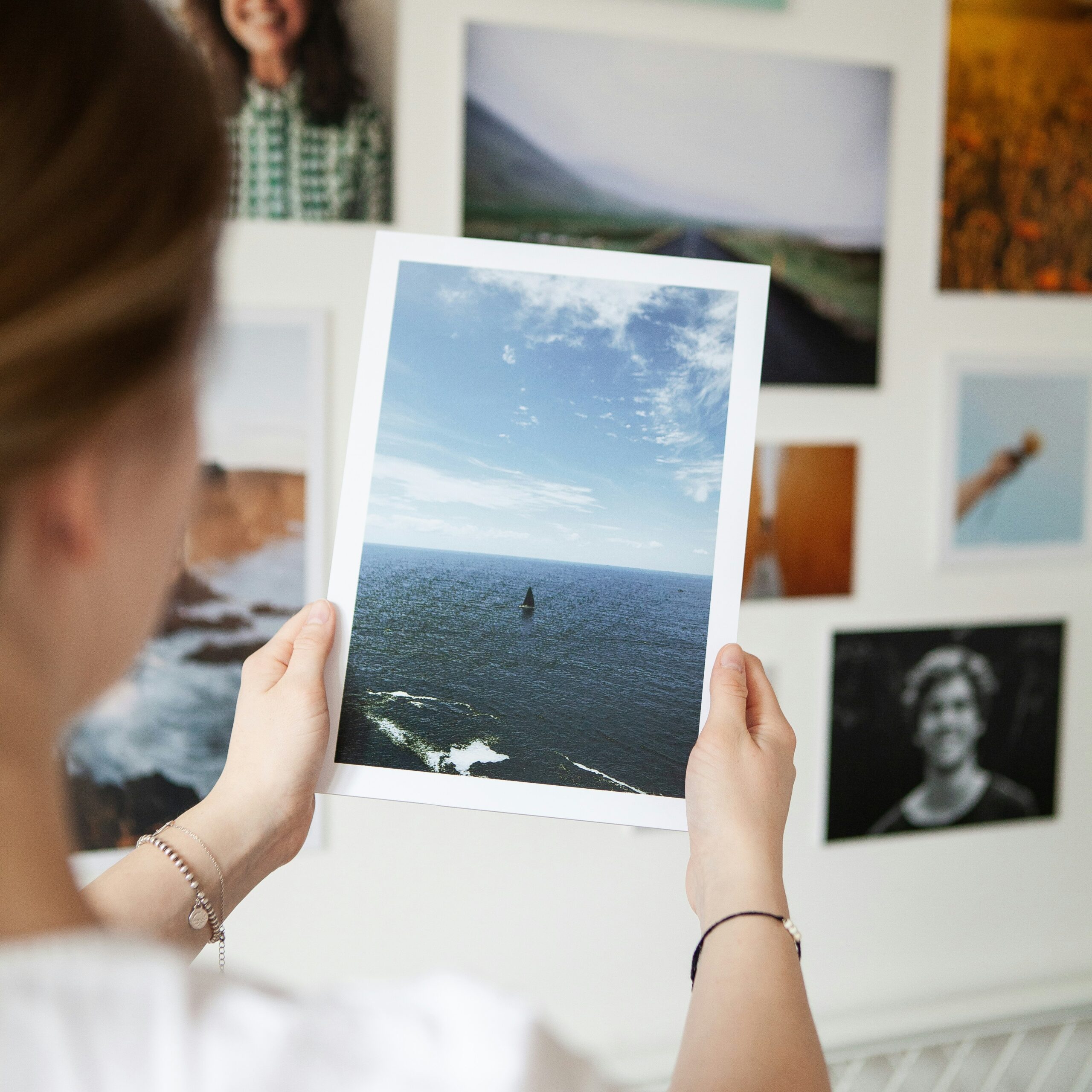
The term giclée (pronounced zhee-clay) comes from the French word meaning “to spray” and describes a high-resolution inkjet printing process using archival pigment inks on fine art paper or canvas. Unlike commercial lithographic printing, which uses CMYK colour separations and plates, giclée printing uses twelve or more ink colours and prints directly from a digital file at extremely high resolution — typically 1440 dpi or higher.
The result is a print with exceptional colour accuracy, smooth tonal gradations and archival longevity. Properly produced giclée prints on archival media can last 100 years or more without significant fading.
Why Artists and Photographers Choose Giclée
For artists, the appeal of giclée is the ability to reproduce original work with near-perfect colour fidelity on surfaces that feel as close to the original as possible. Whether the original is an oil painting, watercolour, pastel, pencil drawing or mixed media work, a high-quality giclée print captures the texture, nuance and colour of the original in a way that standard digital printing simply cannot.
For photographers, giclée printing on fine art cotton or baryta papers produces output that is a world apart from standard photo printing — the tonal range, shadow detail and surface quality of a well-made giclée print rivals the finest traditional darkroom work.
Giclée Prints vs Standard Photo Printing
The texture and quality of cotton rag fine art paper is one of the defining characteristics of a true giclée print
Standard photo printing — the kind found in high street labs or online print services — uses a four or six colour process on resin-coated photo paper. It is fast, inexpensive and perfectly adequate for everyday prints. But it has real limitations for fine art applications:
- Colour gamut is restricted compared to twelve-colour giclée systems
- Resin-coated papers have a shorter archival lifespan than cotton and rag media
- The range of available surfaces is limited — typically gloss, lustre or matte photo paper
- Tonal gradations, particularly in shadows and highlights, can suffer compared to high-end inkjet printing
Giclée printing addresses all of these limitations. The wider colour gamut, superior ink formulations and archival paper stocks produce prints that are genuinely suited to gallery display and long-term preservation.
What Surfaces are Available for Giclée Printing?
One of the great strengths of giclée printing is the breadth of surfaces available. A professional giclée printing service will offer options including:
- Cotton rag papers — smooth, natural white, archival. The most popular choice for both photography and fine art reproduction. Papers such as Hahnemühle Photo Rag and Canson Infinity Rag Photographique are widely used
- Textured watercolour papers — for reproducing paintings where surface texture is part of the artwork’s character
- Baryta papers — semi-gloss surfaces that mimic the look of traditional fibre-based darkroom prints. Ideal for black and white photography and high-contrast colour work
- Fine art canvas — for reproduction prints that will be stretched onto frames, particularly popular for oil and acrylic painting reproductions
- Premium lustre and pearl papers — bridging the gap between photo and fine art media for photographers who want some surface sheen
How to Prepare Your Artwork for Giclée Printing
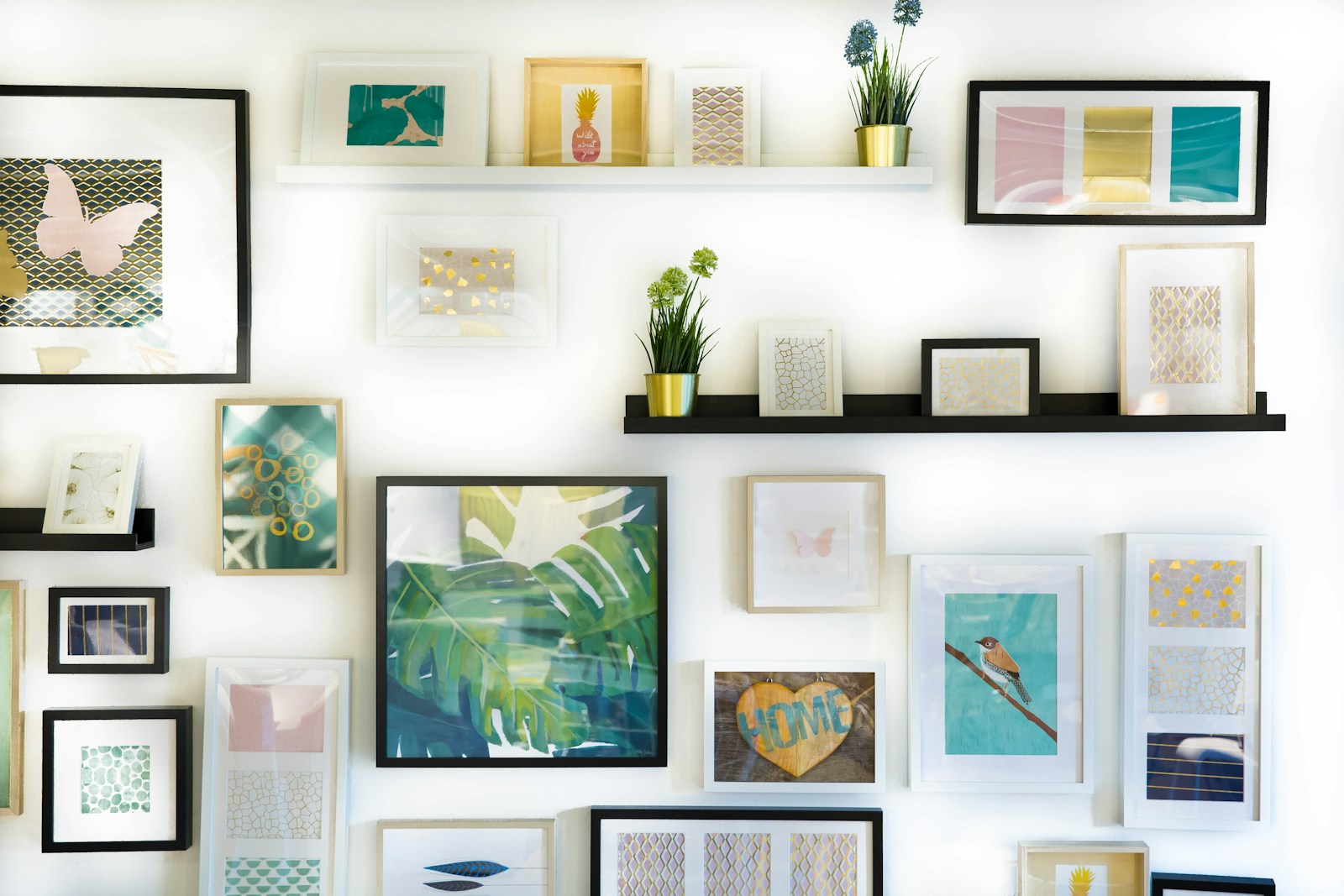
Getting the best results from a giclée printing service starts with how you prepare your file. Key points include:
- Resolution — for print sizes up to A2, aim for a minimum of 300 dpi at the output size. For larger prints, 150-200 dpi can be acceptable depending on viewing distance
- Colour space — use Adobe RGB or ProPhoto RGB colour space for the widest gamut. Convert from sRGB if working in a consumer software environment
- File format — TIFF is preferred for maximum quality. High-quality JPEG at the largest file size setting is also acceptable
- Colour profiles — your giclée printer will ideally provide ICC profiles for the specific papers and printers they use, allowing you to soft-proof your image before printing
Giclée Printing for Scanning Original Artwork
Many artists need their original physical artwork scanned and reproduced as giclée prints. A professional giclée service should be able to handle high-resolution scanning of original paintings, drawings and photographs as part of the print production workflow. The quality of the scan is as important as the quality of the print — a low-resolution or poorly colour-managed scan will limit the final result regardless of how good the printing equipment is.
Ordering Giclée Prints in the UK
Finding a reliable giclée printing service in the UK is easier than it once was, but quality still varies enormously between providers. When evaluating a service, look for:
- Specification of the printers and ink systems used — professional giclée printers use high-end wide format inkjet systems such as the Canon imagePROGRAF Pro series
- Details of the paper and canvas stocks available — a serious giclée service offers archival media from established manufacturers
- Colour management capability — can they provide ICC profiles or handle colour-managed submissions?
- Sample output — any reputable service should be able to provide print samples or allow you to order a test print
- Customer reviews and examples of work
Giclée London: Professional Fine Art Printing
Giclée London provides professional giclée printing services to artists, photographers and collectors across the UK. Using high-end wide format printing technology with archival pigment inks and a carefully curated selection of fine art papers and canvases, every print is produced to exacting standards.
Whether you need a single print or a limited edition run, the team at Giclée London works with you to ensure the output accurately represents your original work. The quality guarantee reflects a genuine commitment to getting every print right.
Visit the Giclée Printing Services page for full details on papers, sizes and pricing, or explore how to order to get started. For any questions about your specific project, contact the team directly — friendly, expert advice is always available.